When people talk about database processing systems, they’re referring to the way a database is designed to handle different types of work. Some systems are optimized for recording and updating day-to-day activities, while others are optimized for analyzing large volumes of data to uncover trends.
Two of the most common systems for relational databases are OLTP and OLAP. These acronyms describe two very different types of database processing systems, and knowing the difference will help you understand why some databases are built for speed in handling day-to-day operations while others are designed for deep analysis.
What is OLTP?
OLTP stands for Online Transaction Processing.
Think of OLTP systems as the “cash register” of your digital world. They are designed to handle lots of small, quick transactions at the same time. Examples include:
- Swiping your card at a grocery store
- Booking a flight online
- Updating your profile information in an app
Characteristics of OLTP:
- Frequent updates: Data is constantly being added, changed, or deleted.
- Speed matters: Transactions need to happen in milliseconds.
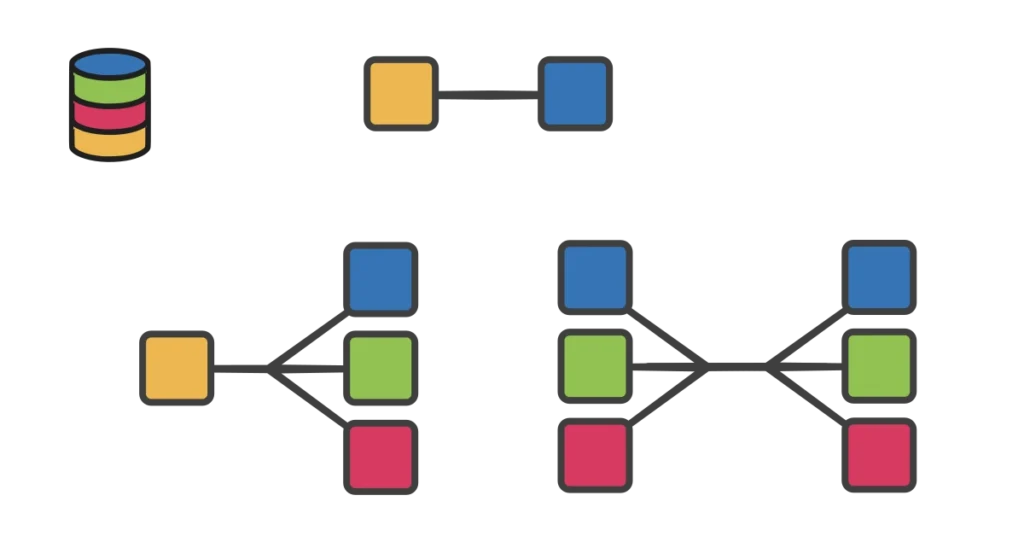
- Normalized data: The data is organized to avoid duplication and ensure accuracy.
- Many users at once: OLTP systems are built to handle thousands (or even millions) of users performing transactions at the same time.
When to use OLTP:
Use OLTP systems when your application relies on fast, reliable day-to-day transactions. For example, an e-commerce website needs OLTP to process customer orders in real time.
What is OLAP?
OLAP stands for Online Analytical Processing.
If OLTP is like a cash register, OLAP is like the business analyst’s report that shows trends over time. Instead of processing small, quick updates, OLAP systems are built for analyzing large amounts of historical data to answer big questions such as:
- “What were our total sales this quarter compared to last year?”
- “Which product categories are most popular by region?”
- “How do customer purchase patterns change during holidays?”
Characteristics of OLAP:
- Read-heavy workloads: Data is mostly read and aggregated, not constantly updated.
- Complex queries: OLAP systems support queries that summarize or drill down into massive datasets.
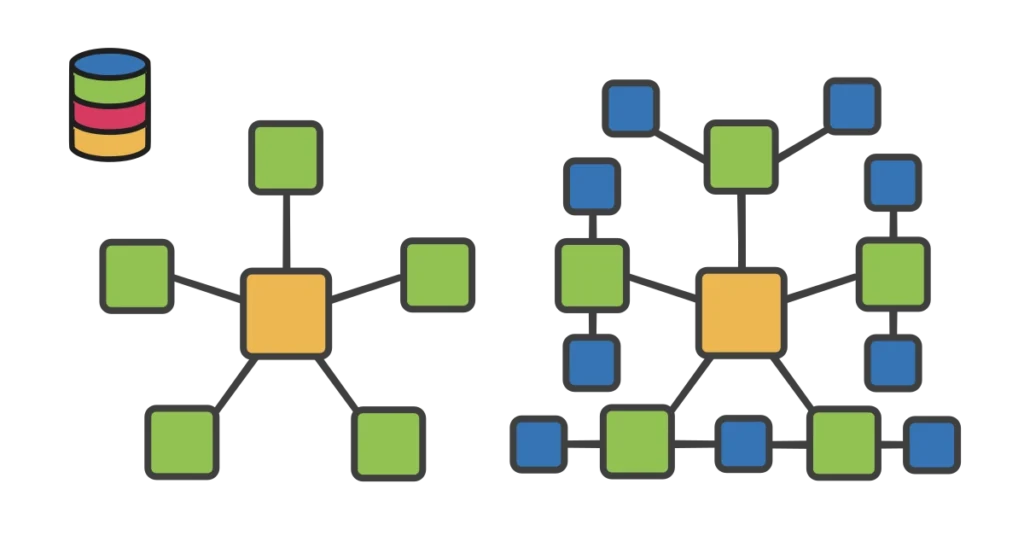
- Denormalized data: Data is often structured in star or snowflake schemas for faster analysis.
- Designed for decision-making: OLAP helps managers and analysts spot patterns and trends.
When to use OLAP:
Use OLAP systems when you need to explore data for insights and decision-making. For example, a retail company uses OLAP to analyze sales trends and predict future demand.
OLTP vs. OLAP: Side by Side
| Feature | OLTP (Transactions) | OLAP (Analytics) |
|---|---|---|
| Purpose | Run day-to-day operations | Analyze historical data |
| Query type | Short, simple, fast | Long, complex, aggregated |
| Data updates | Frequent (insert/update) | Rare (mostly read-only) |
| Data structure | Normalized (for accuracy) | Denormalized (for speed) |
| Users | Many concurrent users | Fewer, analytical users |
| Example | ATM withdrawals, online shopping | Business intelligence dashboards, sales reports |
How They Work Together
Most organizations use both OLTP and OLAP systems, because they solve different problems. OLTP ensures operations run smoothly in real time, while OLAP helps businesses learn from their data and make strategic decisions.
In practice, companies don’t usually run OLAP directly on their OLTP databases. Instead, they move data from OLTP systems into a data warehouse. A data warehouse is a specialized type of database built for analysis rather than for day-to-day transactions. It stores large volumes of historical data, often from multiple sources, and organizes it in a way that makes it easier to run complex queries and reports.
The data warehouse acts as the foundation for OLAP systems. Data is typically cleaned, transformed, and structured into formats such as star schemas or snowflake schemas, which are optimized for fast aggregation and summarization. Because the warehouse is separate from the OLTP system, analysts and decision-makers can run heavy queries without affecting the performance of real-time operations like processing customer purchases or booking flights.
In short, OLTP systems capture and manage the operational data, while the data warehouse serves as the engine that powers OLAP, turning that raw data into meaningful insights.
Key Takeaway
- OLTP → Fast transactions for daily operations
- OLAP → Powerful analysis for long-term insights
Understanding when to use OLTP vs. OLAP comes down to the goal:
- If you need speed and accuracy for many users at once → Choose OLTP.
- If you need to analyze and explore large datasets for trends and strategy → Choose OLAP.
Both are essential parts of modern data systems, working together to keep businesses running and growing.