
Understanding and Handling NULL Values in SQL
When working with SQL, one of the most confusing concepts for beginners is dealing with NULL values. NULL doesn’t represent
Understanding and Handling NULL Values in SQL Read Post »
When working with SQL, one of the most confusing concepts for beginners is dealing with NULL values. NULL doesn’t represent
Understanding and Handling NULL Values in SQL Read Post »
Previously, we introduced the concept of normalization vs. denormalization explaining how database designers utilize each approach. Now, let’s dive deeper
Normal Forms: 1NF, 2NF, 3NF, and BCNF Read Post »
When designing a relational database, one of the most important decisions you’ll make is how to structure the data. Should
Data Structure Comparison: Normalization vs. Denormalization Read Post »
Constraints are rules applied to columns and tables in a database to enforce data integrity, prevent invalid data, and make
Database Constraints: Ensuring Accuracy and Consistency Read Post »
If you’re learning SQL, you’ll hear the term relational database a lot. In fact, SQL was specifically designed to work
What Is a Relational Database? Read Post »
In a previous post, we introduced window functions to add “group context” without collapsing rows. Now let’s build on that
Ranking Window Functions: ROW_NUMBER(), RANK(), and DENSE_RANK() Read Post »
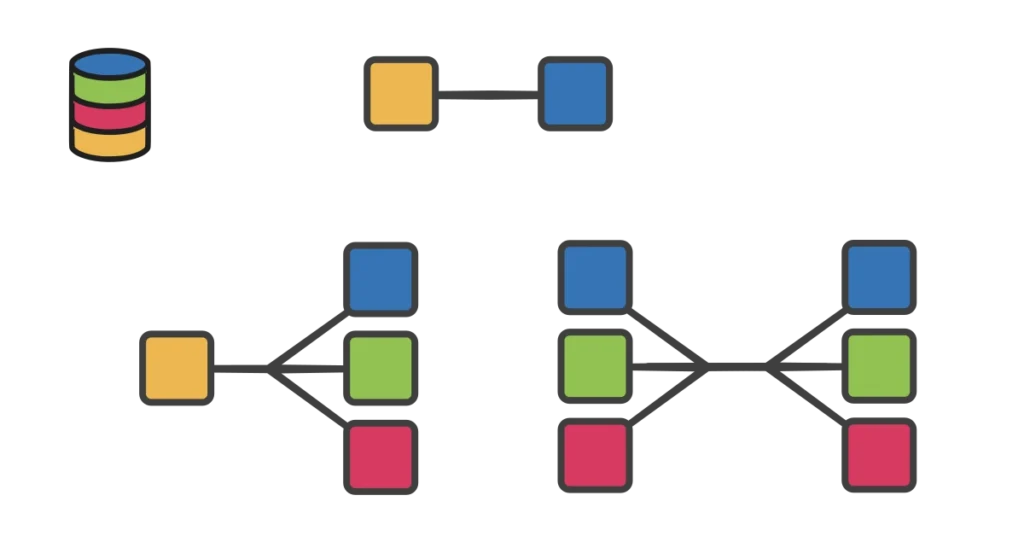
Before diving into data modeling, it’s important to understand cardinality — one of the foundational ideas in relational databases. Cardinality
Database Relationships: Understanding Cardinality Read Post »
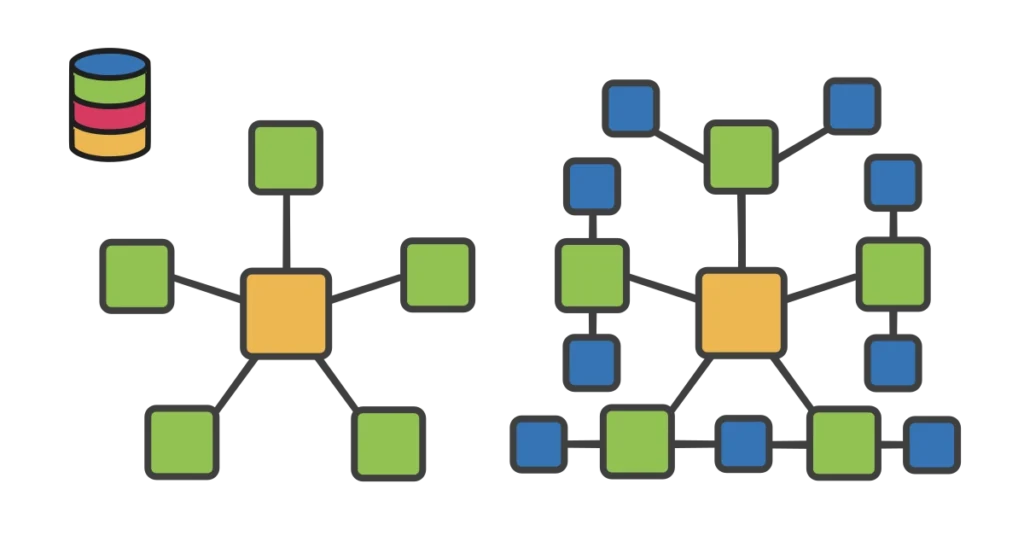
When working with databases, you might hear the word schema used in different ways. It’s important to know that a
Database Design Schemas: Star, Snowflake, and Galaxy Read Post »
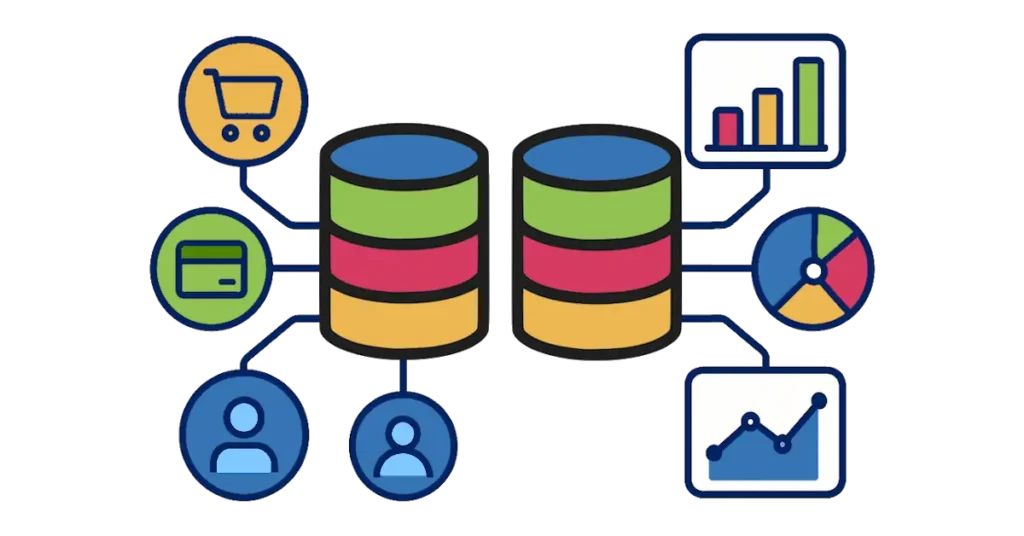
When people talk about database processing systems, they’re referring to the way a database is designed to handle different types
Database Processing Systems: OLTP vs. OLAP Read Post »