
SQL Formatting Best Practices
When you’re just starting out with SQL, it’s easy to think there’s only one “right” way to write a query. […]
SQL Formatting Best Practices Read Post »
When you’re just starting out with SQL, it’s easy to think there’s only one “right” way to write a query. […]
SQL Formatting Best Practices Read Post »

SQL isn’t just about selecting and aggregating data—it can also apply conditional logic to transform or categorize results. That’s where
Conditional Logic Using CASE Expressions Read Post »

So far we’ve seen how GROUP BY can summarize data into meaningful results. But what if you need totals and
More GROUP BY Options: ROLLUP, CUBE, GROUPING SETS, and GROUPING() Read Post »

So far, we’ve learned how to read data with SELECT, filter rows with WHERE, and sort results with ORDER BY.
Summarizing Data Using GROUP BY and Aggregate Functions Read Post »
After learning how to retrieve data with SELECT and filter it with WHERE, the next step is organizing the results.
Sorting Query Results Using the ORDER BY Clause Read Post »

Once you know how to retrieve data with a SELECT statement, the next step is learning how to filter the
Filtering Query Results Using the WHERE Clause Read Post »

When starting a new SQL project, one of the first steps is exploring the data you already have. Understanding the
Exploring Records in a Database Using SELECT Statements Read Post »
Lately, I’ve met a few people excited to share how they’re using AI coding assistants to learn SQL. That excitement
Why Learning SQL Still Matters in the Age of AI Read Post »
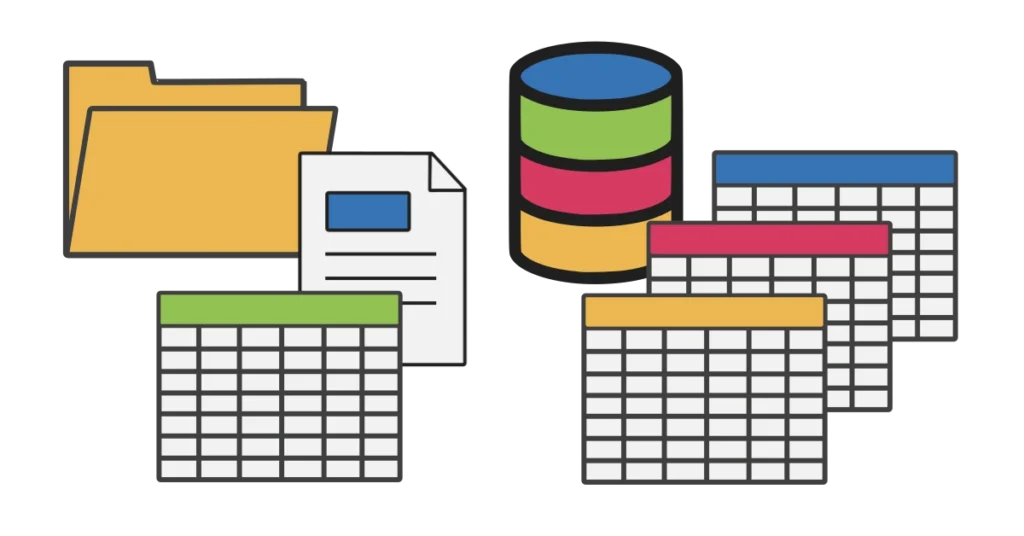
First, a quick clarification: objects in databases don’t mean the same thing as objects in object-oriented programming (OOP). In OOP,
What is a Database Object? Read Post »